
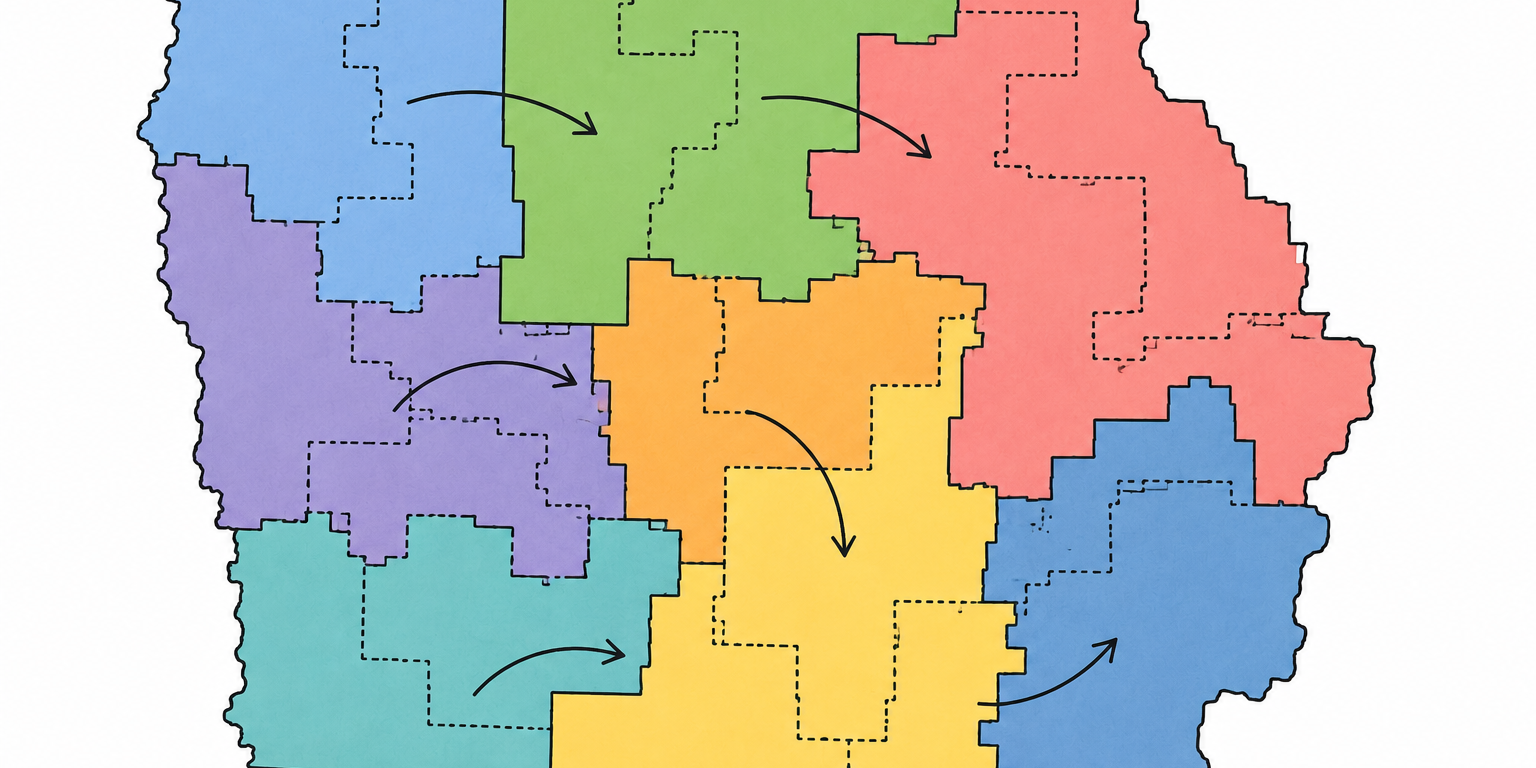
Redistricting lawsuits are escalating across the country as lawmakers redraw congressional maps ahead of the 2026 midterm elections. Recent court rulings involving the Voting Rights Act and constitutional challenges have triggered major legal disputes in states including Texas, Florida, Louisiana, North Carolina, California, and Tennessee.
Congressional redistricting plays a critical role in determining political power in Washington. Republicans are attempting to expand their advantage in several Southern states after federal court decisions weakened protections for minority voting districts. Democrats are also pursuing revised congressional maps in states like California and Utah in hopes of gaining additional House seats.
Several states are now facing legal challenges over allegations of racial gerrymandering, political favoritism, and unconstitutional district maps. In Louisiana, lawmakers are revisiting congressional districts after the U.S. Supreme Court struck down a Black-majority district. Tennessee’s newly approved map is also expected to face lawsuits after lawmakers redrew a district that included Memphis, a historically Black-majority area.
Critics argue that aggressive mid-decade redistricting weakens voter confidence, dilutes representation, and creates confusion for voters. These legal battles raise important concerns about equal protection, voting rights, and fairness under the law.
As redistricting lawsuits continue nationwide, the outcome could significantly impact congressional elections, voting rights protections, and the balance of political power for years to come.