
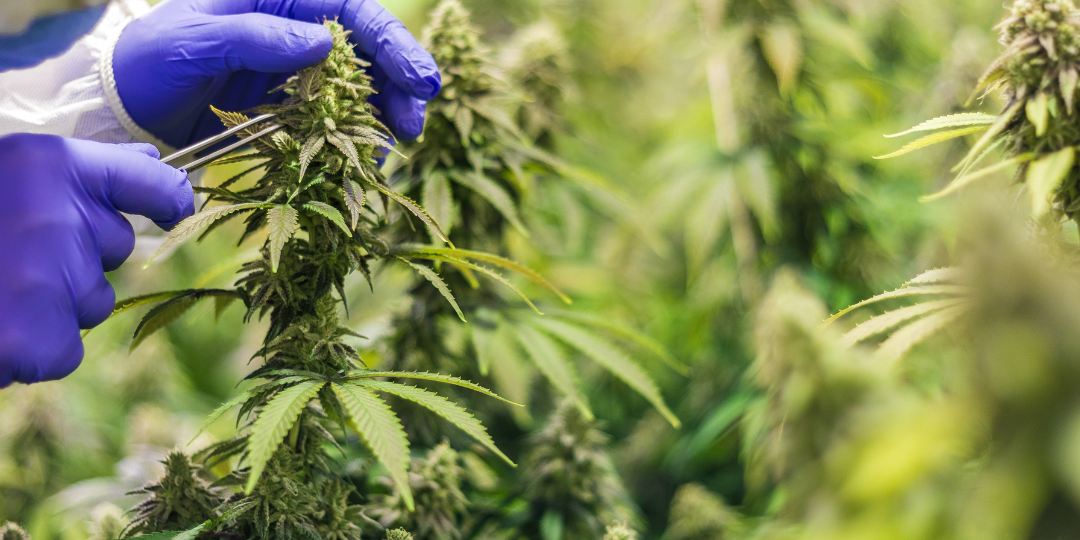
In a major shift in federal drug policy, Donald Trump’s administration has reclassified state-licensed medical marijuana from Schedule I to Schedule III under the Controlled Substances Act. The change, implemented through an order signed by Acting Attorney General Todd Blanche, recognizes the medical use of cannabis and reduces certain federal restrictions, including easing research barriers and allowing tax deductions for licensed cannabis operators.
While the policy is being framed as modernization of federal marijuana laws, it also creates increased confusion within the criminal justice system. On one hand, state-licensed marijuana businesses may benefit financially and operate with greater legitimacy under the new Schedule III cannabis classification. On the other hand, individuals in many jurisdictions can still face arrest, prosecution, and penalties for marijuana-related conduct. This highlights a growing tension between federal vs state marijuana laws, where cannabis is increasingly accepted in regulated markets while criminal enforcement against individuals continues.
This distinction is critical in marijuana criminal cases. A Schedule III classification may influence how prosecutors approach charges and how a criminal defense lawyer frames arguments involving medical use, intent, or shifting federal drug policy. However, outcomes still depend heavily on the facts of each case, prior record, and prosecutorial discretion.
The shift also underscores the ongoing conflict between state marijuana legalization and federal prohibition. As more states adopt medical and recreational cannabis laws, individuals are left navigating a patchwork system where marijuana legality depends on jurisdiction. What is lawful under state law may still carry serious criminal penalties under federal law.
This inconsistency is significant. It underscores a system where the legal consequences of marijuana-related conduct can vary widely based on geography, licensing status, and an evolving federal framework. The result is a legal landscape in which the same substance may generate economic opportunity for some while still exposing others to criminal liability—reinforcing the importance of informed legal defense in every case.