
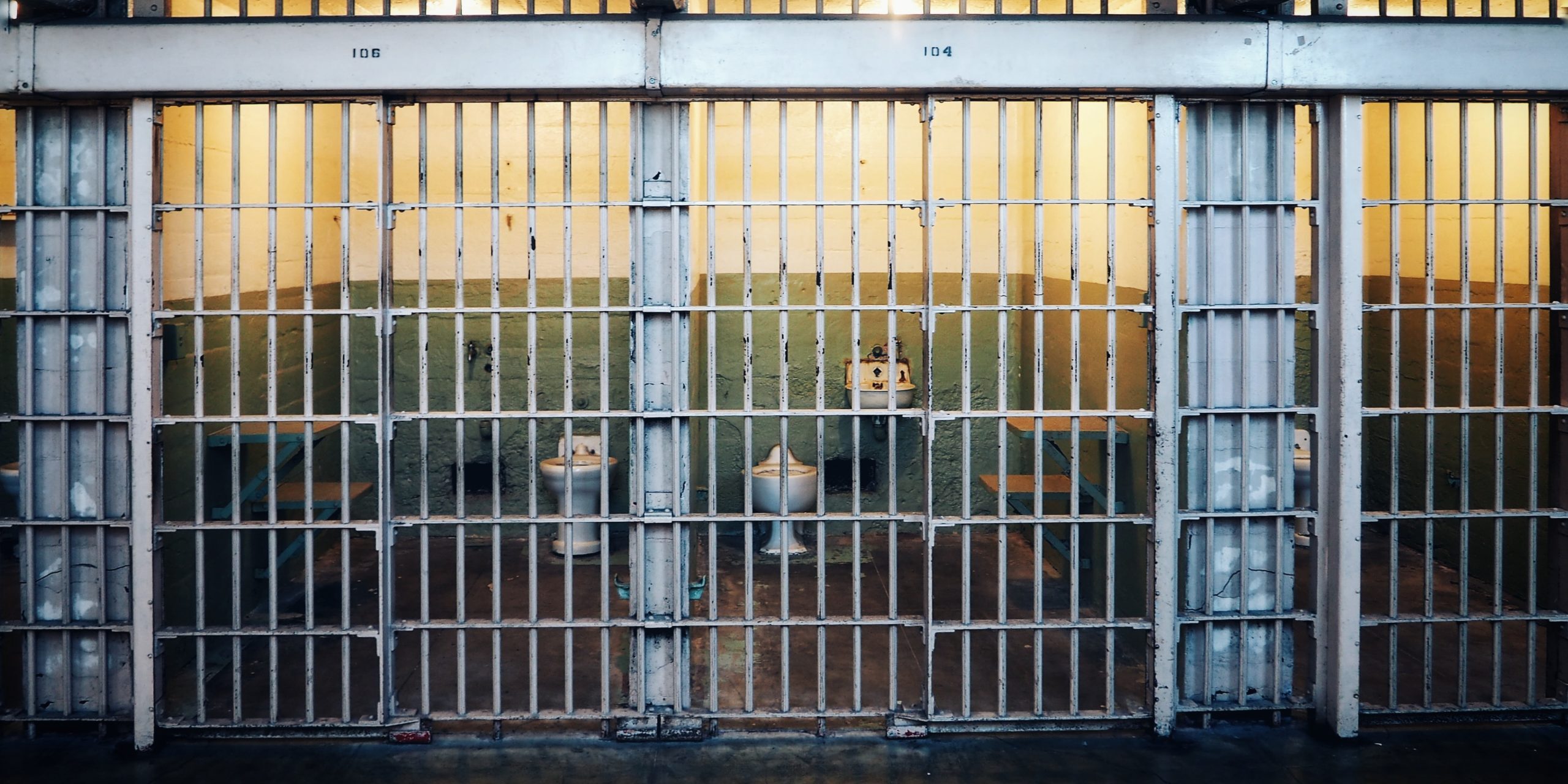
Idaho’s prisons are beyond capacity, and the consequences are hitting taxpayers, families, and the justice system all at once. New budget figures from the Idaho Department of Correction (IDOC) show the state is incarcerating more than 10,000 people despite having space for just over 8,200 in its prisons. When beds run out, Idaho sends people to county jails and out-of-state facilities — an expensive and unsustainable fix.
The cost of housing inmates outside state prisons is projected to rise more than 69 percent, with total spending nearing $51 million. That number comes on top of rising prison operating expenses, where even basic necessities have jumped by 25 percent or more due to inflation. Idaho’s incarceration policies are not just tough — they are increasingly costly and difficult to manage.
When prisons are full, the system pushes people elsewhere. Counties are reimbursed daily for holding state inmates, and out-of-state facilities charge even higher contract rates, often exceeding $80 per person per day. With hundreds of Idaho inmates housed outside the state system every month, these per-day costs quickly turn into tens of millions of dollars in additional spending.
State officials acknowledge a clear population spike but cannot point to one single cause. Admissions are up, while release rates and sentence lengths remain relatively steady. At the legislative level, however, the pattern is easier to see. Lawmakers continue to create new crimes, expand sentence enhancements, and pass mandatory minimum laws. Each of these “tough on crime” decisions increases prison exposure and keeps people incarcerated longer — driving overcrowding and long-term costs.
Idaho now ranks among the highest states in the nation for incarceration rates, outpacing its neighbors and exceeding national averages. That distinction carries real-world consequences. Overcrowded systems strain staff, stretch resources, and limit access to programs designed to reduce repeat offenses. Earlier this year, the Department of Correction came close to furloughing its entire workforce of roughly 2,200 employees to meet budget cuts — a move that would have directly affected public safety. Technology upgrades aimed at reducing recidivism have already been slowed, and other resources have been cut.
For people facing criminal charges in Idaho, prison overcrowding is not an abstract policy issue. It can mean being housed far from family, fewer rehabilitation opportunities, and more pressure throughout the system. Delays, limited space, and strained facilities can all influence how cases move and how sentences are served.
The bigger picture is clear: Idaho’s rising incarceration rate is creating financial strain and systemic stress without clear evidence that it is making communities safer. Policymakers are beginning to discuss early-release incentives and behavior-based programs, but meaningful reform takes time.
For defendants, time is exactly what matters most. Early legal strategy, strong negotiation, and pursuing alternatives to incarceration can significantly change the outcome of a case. In a system stretched this thin, having an experienced Idaho criminal defense attorney is more important than ever.