
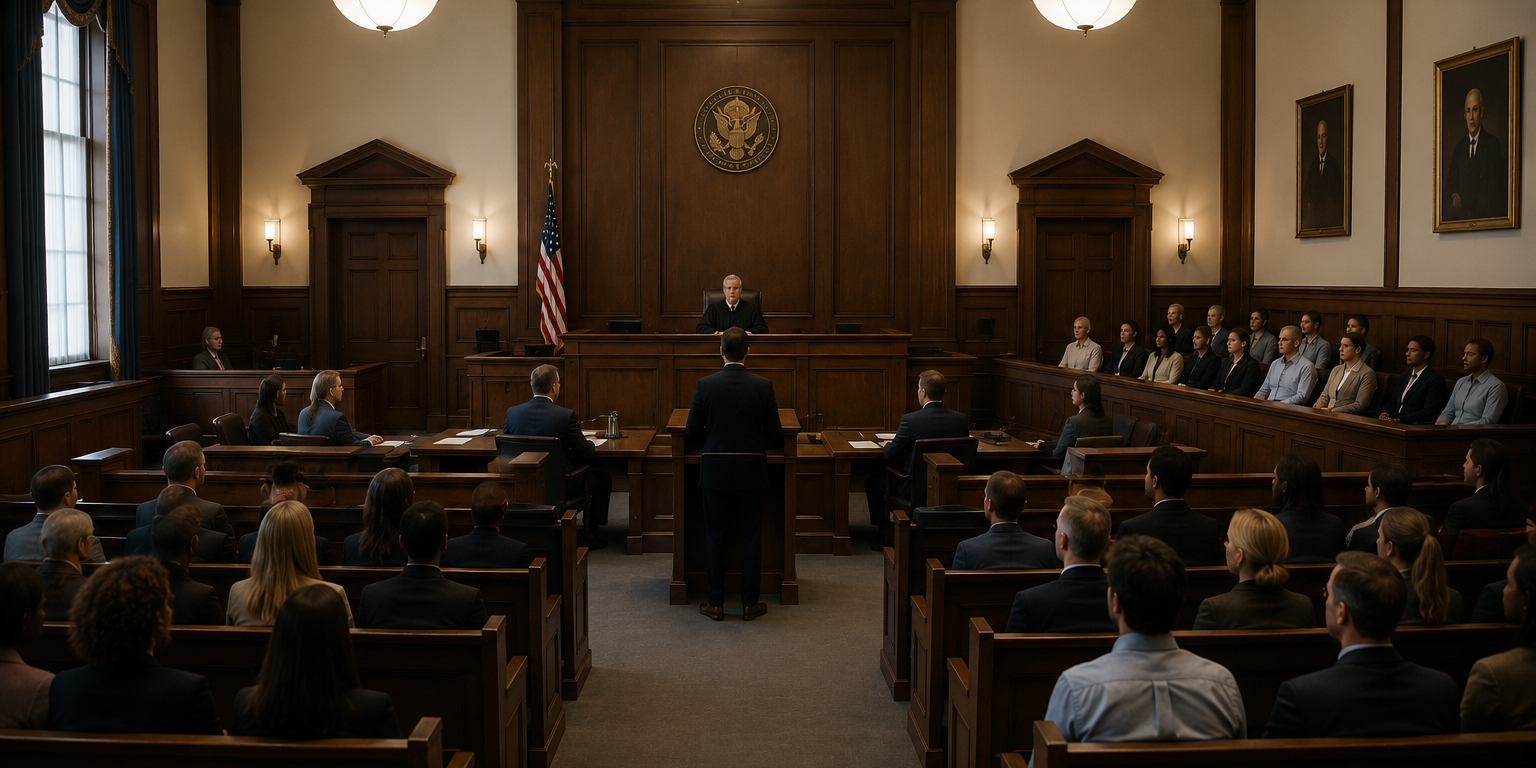
The grand jury system plays a critical role in the American criminal justice system. Created to protect individuals from unjust prosecution, grand juries are intended to act as a safeguard between government power and the constitutional rights of the accused. However, growing concerns about transparency and accountability have fueled discussions about whether the grand jury process needs reform.
In federal criminal cases, prosecutors present evidence to a grand jury to determine whether criminal charges should move forward. Unlike a criminal trial, grand jury proceedings are conducted in secret. The accused person and their criminal defense attorney typically cannot present evidence, question witnesses, or challenge the prosecution’s case. Because the standard for obtaining an indictment is relatively low, critics argue that prosecutors often hold significant influence over the process.
Recent scrutiny of federal grand jury proceedings has raised concerns about whether the system consistently protects due process rights and ensures fair treatment for defendants. Allegations of prosecutorial misconduct and questions about how evidence is presented have prompted legal professionals and criminal justice advocates to call for greater oversight and reform.
Many proposed reforms focus on strengthening defendants’ rights and increasing transparency. Suggestions include requiring prosecutors to present evidence that may support a defendant’s innocence, allowing witnesses to have legal counsel present during testimony, creating complete transcripts of grand jury proceedings, and providing grand jurors with independent legal guidance.
The conversation surrounding grand jury reform highlights a broader issue within the criminal justice system: protecting constitutional rights before formal charges are ever filed. An indictment can have life-changing consequences, affecting a person’s reputation, employment, family, and future. Ensuring that criminal charges are based on a fair and balanced review of the evidence is essential to maintaining public trust in the legal system.
As lawmakers, courts, and legal organizations continue to debate potential reforms, the importance of due process, accountability, and the presumption of innocence remains at the center of the discussion. A fair criminal justice system depends not only on what happens at trial but also on the procedures used before a case ever reaches a courtroom.