
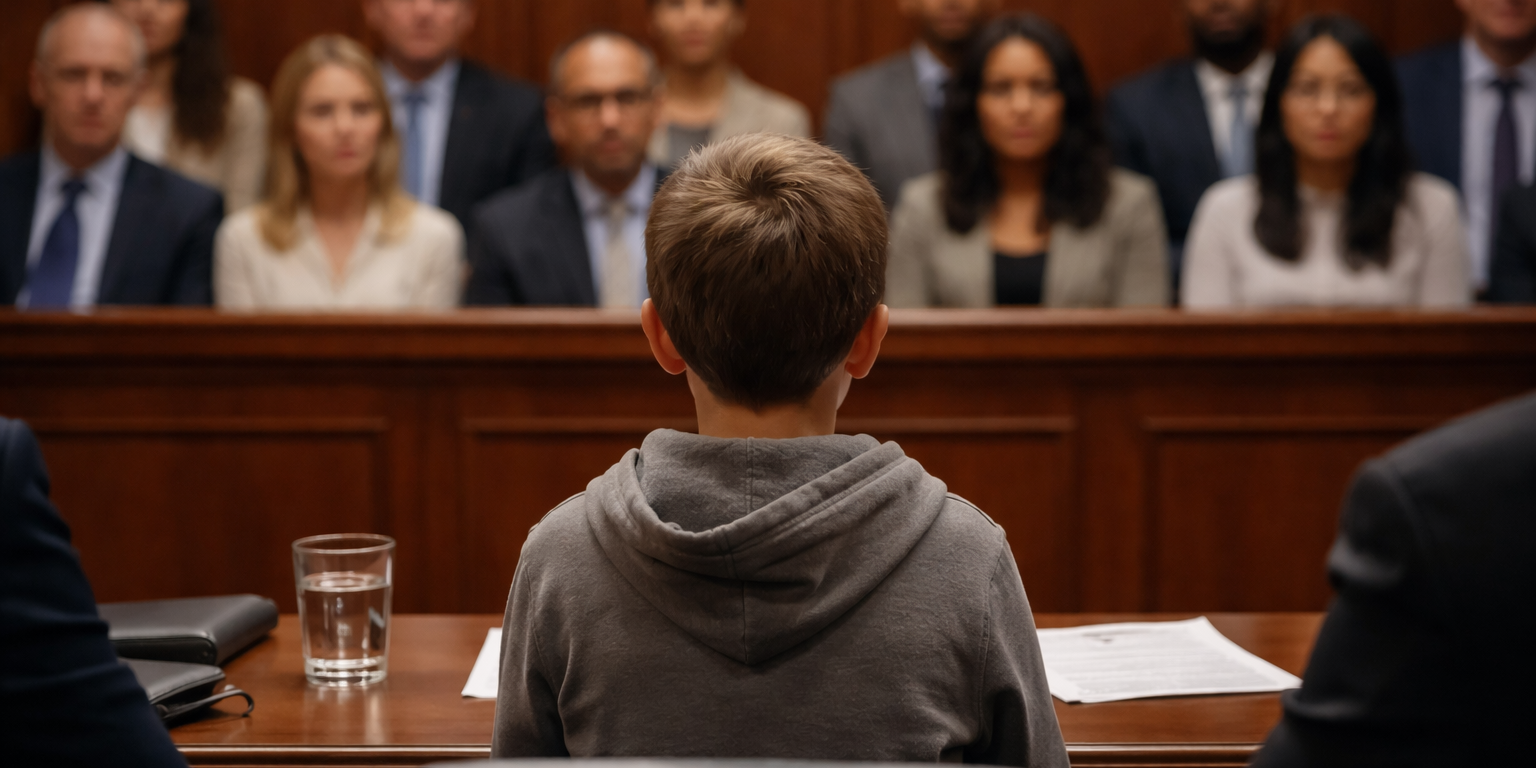
When a child is charged with a serious crime, it raises difficult questions about how the juvenile justice system should respond. A recent case in Colorado, where an 11-year-old boy faces a first-degree murder charge in the death of his younger brother, highlights the tension between legal authority and common sense. While Colorado law allows children as young as 10 to be charged, applying adult-level accusations to a child can overlook a critical reality: children are not developmentally capable of the same judgment, intent, or decision-making as adults.
Charges like first-degree murder require proof of intent and deliberation—standards that are hard to reconcile with what we know about childhood brain development. Young children are more likely to act impulsively, struggle to understand long-term consequences, and be heavily influenced by their environment. This is exactly why the juvenile court system exists: to focus on rehabilitation, not punishment. However, when severe charges are filed against a minor, that purpose can become blurred, potentially leading to long-term consequences that extend far beyond the courtroom.
In high-emotion cases, there is often pressure to act quickly, but rushing to file the most serious charges can overlook key factors like environment, supervision, and the child’s mental state. These situations deserve careful, measured evaluation rather than assumptions. A more thoughtful approach recognizes both the seriousness of the incident and the reality that children are still developing, with a far greater capacity for growth and change than the legal system sometimes accounts for.